
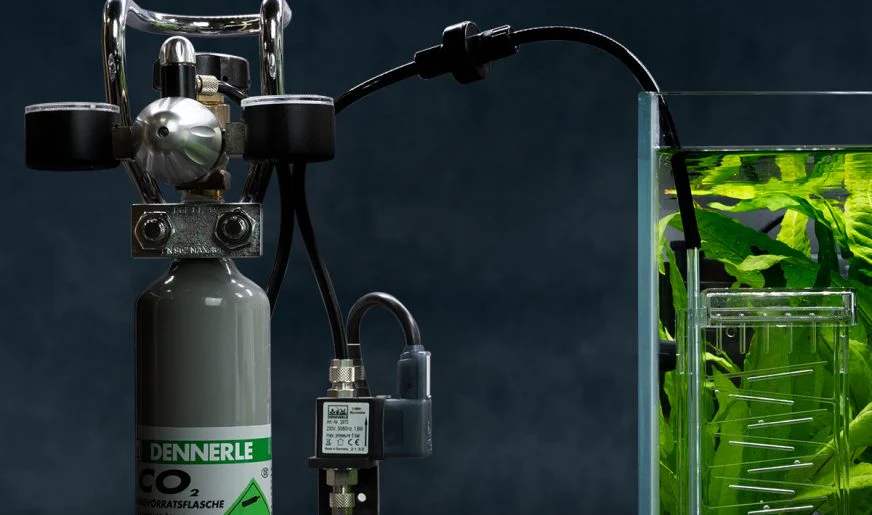
Best Aquarium CO2 Systems in 2026
For aquarium hobbyists who maintain planted tanks, carbon dioxide plays an important role in supporting healthy plant growth. While lighting, nutrients, and water quality often receive the most attention, CO2 can be another important factor in creating a thriving aquatic environment.
Many planted aquarium owners eventually explore CO2 supplementation as they work to improve plant health and encourage more vigorous growth. However, choosing the right aquarium CO2 system can be confusing, especially for beginners.
Some aquarists prefer a complete CO2 setup that includes a regulator and delivery system, while others start with liquid carbon supplements or monitoring tools before investing in a full system. Understanding the purpose of each product can help simplify the decision-making process.
To help narrow your options, we’ve selected five popular aquarium CO2 products:
- FZONE Desktop Aquarium CO2 System
- API CO2 Booster Freshwater Aquarium Plant Treatment 8 oz
- Pawfly Glass CO2 Drop Checker
- 2L Aquarium CO2 Generator System
- API CO2 Booster Freshwater Aquarium Plant Treatment 16 oz
Each serves a different role within a planted aquarium setup.
Quick Comparison Table
| Product Name | Best For | Key Feature |
|---|---|---|
| FZONE Desktop Aquarium CO2 System | Beginner CO2 Systems | CO2 regulator with cartridge |
| API CO2 Booster 8 oz | Liquid Carbon Supplement | Freshwater plant treatment |
| Pawfly Glass CO2 Drop Checker | CO2 Monitoring | Visual CO2 indicator |
| 2L Aquarium CO2 Generator System | Full CO2 Setup | Generator system with regulator |
| API CO2 Booster 16 oz | Larger Aquariums | Larger liquid carbon bottle |
Top Product Recommendations
FZONE Desktop Aquarium CO2 System, CO2 Regulator with 45g Disposable CO2 Cartridge
Overview
The FZONE Desktop Aquarium CO2 System is designed to provide a compact CO2 solution for planted aquariums.
Many aquarium hobbyists appreciate systems that include both a regulator and CO2 delivery components because they simplify the process of introducing carbon dioxide into an aquarium.
The desktop-sized design makes it particularly attractive for hobbyists with smaller planted tanks.
Pros
- Complete CO2 system
- Includes regulator
- Compact design
- Suitable for planted aquariums
- Beginner-friendly setup
Cons
- Uses disposable cartridges
- May not suit larger aquariums
- Requires periodic cartridge replacement
Key Features
- CO2 regulator
- Disposable CO2 cartridge compatibility
- Desktop-sized design
- Aquarium plant support
- Planted tank functionality
Who Should Buy It
Aquarium owners seeking an entry-level CO2 system may find this option appealing.
Why We Recommend It
The combination of regulator and compact design provides a straightforward introduction to aquarium CO2 systems.
API Co2 Booster Freshwater Aquarium Plant Treatment 8 Fl oz Bottle
Overview
The API CO2 Booster Plant Treatment offers an alternative approach to carbon supplementation.
Rather than using a pressurized CO2 setup, many aquarists begin with liquid carbon products to support planted aquarium maintenance.
This smaller bottle size may be attractive for hobbyists who want to try liquid supplementation before purchasing larger quantities.
Pros
- Simple application
- Freshwater aquarium compatibility
- Supports planted tanks
- Convenient bottle size
- Easy storage
Cons
- Different approach than full CO2 systems
- Requires ongoing dosing
- Not a pressurized CO2 solution
Key Features
- Freshwater plant treatment
- Liquid carbon approach
- 8-ounce bottle
- Aquarium plant support
- Simple application
Who Should Buy It
Beginners interested in liquid carbon supplementation may appreciate this option.
Why We Recommend It
Its straightforward use makes it accessible for hobbyists exploring planted aquarium care.
Pawfly Glass CO2 Drop Checker for Aquarium CO2 Indicator
Overview
The Pawfly Glass CO2 Drop Checker focuses on monitoring rather than CO2 delivery.
Many aquarium hobbyists understand that monitoring CO2 levels is just as important as introducing carbon dioxide. A drop checker provides a visual method of observing CO2 conditions within a planted aquarium.
Pros
- Visual CO2 monitoring
- Easy observation
- Suitable for planted tanks
- Complements CO2 systems
- Compact design
Cons
- Monitoring tool only
- Does not supply CO2
- Requires proper placement
Key Features
- Glass drop checker
- CO2 indication functionality
- Aquarium monitoring support
- Visual observation system
- Planted tank compatibility
Who Should Buy It
Aquarium owners already using CO2 supplementation may benefit from additional monitoring capabilities.
Why We Recommend It
Monitoring tools can help provide greater confidence when managing planted aquariums.
2L Aquarium CO2 Generator System, CO2 System Kit with Regulator and Needle Valve
Overview
The 2L Aquarium CO2 Generator System is designed for aquarists seeking a dedicated CO2 setup with regulator functionality.
Many hobbyists eventually move toward complete systems because they offer greater control over CO2 delivery.
The inclusion of a regulator and needle valve provides functionality commonly associated with more advanced planted aquarium setups.
Pros
- Complete CO2 system
- Includes regulator
- Includes needle valve
- Suitable for planted aquariums
- Supports controlled CO2 delivery
Cons
- More involved setup than liquid supplements
- Requires additional planning
- May be more complex for beginners
Key Features
- CO2 generator system
- Regulator included
- Needle valve included
- Aquarium plant support
- Planted tank compatibility
Who Should Buy It
Owners seeking a more complete CO2 solution may find this system appealing.
Why We Recommend It
The dedicated CO2 delivery setup offers greater flexibility for planted aquarium enthusiasts.
API Co2 Booster Freshwater Aquarium Plant Treatment 16 oz Bottle
Overview
The API CO2 Booster 16 oz version provides the same liquid carbon approach in a larger bottle size.
Many aquarium owners prefer larger bottles because they reduce the frequency of replacement purchases.
Pros
- Larger bottle size
- Supports freshwater planted tanks
- Simple dosing approach
- Convenient long-term supply
- Easy storage
Cons
- Not a pressurized CO2 system
- Requires ongoing dosing
- Larger bottle may be unnecessary for small tanks
Key Features
- Freshwater plant treatment
- Liquid carbon supplementation
- 16-ounce bottle
- Aquarium plant support
- Long-term supply
Who Should Buy It
Owners already comfortable with liquid carbon products may appreciate the larger bottle size.
Why We Recommend It
The larger format provides added convenience for regular planted tank maintenance.
Buying Guide
Choosing the best aquarium CO2 system depends on your aquarium goals, plant selection, and maintenance preferences.
Important Buying Factors
Before purchasing a CO2 product, consider:
- Aquarium size
- Plant density
- Experience level
- Monitoring needs
- Maintenance preferences
- Budget
The right solution should fit both your aquarium and your comfort level.
Equipment and Safety
CO2 equipment should be installed and maintained according to manufacturer recommendations.
When evaluating products, consider:
- Ease of use
- Monitoring capabilities
- Maintenance requirements
- System complexity
- Long-term convenience
Proper setup and observation are important components of successful planted aquarium management.
Matching CO2 Products to Different Needs
For Beginners
Consider:
- FZONE Desktop Aquarium CO2 System
- API CO2 Booster 8 oz
For Complete CO2 Delivery
A strong option is:
- 2L Aquarium CO2 Generator System
For CO2 Monitoring
Consider:
- Pawfly Glass CO2 Drop Checker
For Long-Term Liquid Supplementation
A practical choice is:
- API CO2 Booster 16 oz
Common Buying Mistakes
Many aquarium owners make several common mistakes when selecting CO2 equipment:
- Choosing equipment that exceeds their experience level
- Ignoring monitoring needs
- Overlooking maintenance requirements
- Purchasing products without understanding their purpose
- Focusing solely on price
Research and planning can help improve long-term satisfaction.
How to Choose the Right Aquarium CO2 System
Ask yourself:
- Do I want a liquid supplement or a CO2 system?
- How many plants are in my aquarium?
- Do I need monitoring equipment?
- Am I comfortable managing a regulator?
- What level of maintenance do I prefer?
These questions can help narrow your options.
Frequently Asked Questions
Why do planted aquariums use CO2?
Many aquatic plants utilize carbon dioxide as part of their growth process.
Is a CO2 system necessary for every planted tank?
Not every planted aquarium uses a dedicated CO2 system. Requirements vary depending on plant selection and aquarium goals.
What does a CO2 drop checker do?
A drop checker helps visually monitor CO2 conditions within an aquarium.
What is the difference between liquid carbon and a CO2 system?
Liquid supplements and dedicated CO2 systems represent different approaches to carbon supplementation.
Are CO2 regulators important?
Regulators are commonly used in dedicated CO2 systems to help manage CO2 delivery.
Is a larger liquid carbon bottle better?
Larger bottles may reduce replacement frequency but may not be necessary for every aquarium.
Which option is easiest for beginners?
Many beginners start with simpler supplementation methods before moving to more advanced systems.
Final Verdict
The best aquarium CO2 systems should match your planted aquarium goals while providing a practical balance of performance, monitoring, and maintenance.
Best Overall
FZONE Desktop Aquarium CO2 System
Its compact design and integrated regulator make it an excellent all-around choice for many planted tank owners.
Best Premium Choice
2L Aquarium CO2 Generator System
The complete setup offers greater flexibility and control for dedicated planted aquarium enthusiasts.
Best Budget Choice
API CO2 Booster Freshwater Aquarium Plant Treatment 8 oz
Its simple application and approachable format make it an excellent starting point for beginners.
Whether you prefer a complete CO2 system, a liquid carbon supplement, or monitoring equipment, these aquarium CO2 products offer practical solutions for supporting planted aquariums in 2026.